Where to buy an established website and how to compare offers
Where to buy an established website depends on the kind of project you are looking for and how much help you want with choosing and taking it over. You can find offers on specialised marketplaces, from authors selling finished projects and in direct conversation with an owner. The most useful place to search is one where you can see the website clearly, understand what the offer includes and get answers about using it from then on.
Before you search, decide what kind of website you are buying
Very different offers can sit behind the words “established website”. One offers a finished project without a developed audience. Another covers a website with content and a traffic history. A third includes a business run through the website. If you need to present a new company, you do not have to buy the previous owner’s business. If you want an existing source of income, the design and a few pages alone are not enough for that decision.
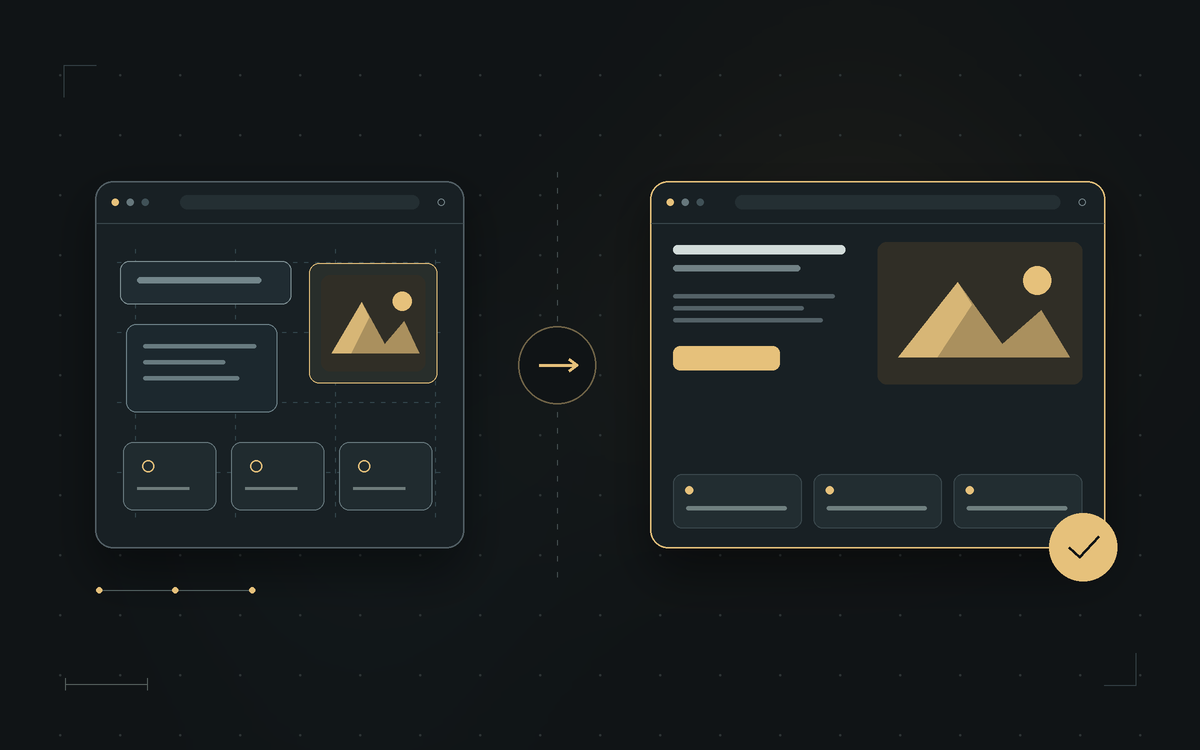
Also tell an established website apart from a template. A template can be useful starting material, but it often needs setting up, content entry and connecting features before it really works. Ask whether you are looking at a project that is already online and what remains to be done after the purchase. That way you avoid comparing offers that look alike at first glance but involve completely different amounts of work.
Where to buy an established website: three routes to an offer
| Where you search | What you can compare | What needs clarifying |
|---|---|---|
| A specialised marketplace | Several projects presented in one place | Who the owner is, what the marketplace does and who runs the handover |
| The author or development team | Finished projects and the options for customisation | What is already done, and what counts as extra work |
| Directly from the owner | One specific website and its history | Who maintains the website, what is transferred and how claims are checked |
A specialised marketplace makes the first comparison easier because it gathers offers in one place. Still, look at how it describes its own role. Presenting listings, connecting you with the owner, technical maintenance and carrying out the purchase are different jobs. Ask for an explanation for the project you have chosen, rather than concluding from the listing alone that every piece of information in it has been additionally checked.
Buying from the author can be practical when you already know you want customisation. The author knows how the project was built and can estimate changes, but you should get a clear overview of the finished project and a separate quote for additions. In a direct conversation with the owner you can learn the website’s history in more detail; in that case, bring in someone who can explain the technical handover from the start.
How to use the listings on Prodaja sajtova
On Prodaja sajtova we present established websites that already exist online. The listings include our own projects and websites from other owners. Start by browsing by line of business and purpose, then open the details of the project that suits you. Photos, video walkthroughs and the description help you narrow the choice; the next step is a conversation about the specific website and the data you want to check.
Send the name or link of the listing you have chosen and a short description of your business. The website’s owner sets the price. We clarify who you are agreeing the purchase with and who handles changes and maintenance. If you have not found the right project yet, you can describe the features and style you are looking for, and we can talk about an existing solution or building a new website.
Six pieces of information you should get for every offer
- A public address or an arranged review: so you can see what is really being sold.
- The owner’s identity and a technical contact: who is responsible for the deal, and who explains how the website works.
- What the purchase includes: domain, files, database, content and access, with any exceptions clearly stated.
- Features and limitations: what works now, and what needs adding.
- Costs after the purchase: hosting, domain renewal, maintenance and connected services.
- How the handover works: the steps, timelines, cooperation needed and a final review.
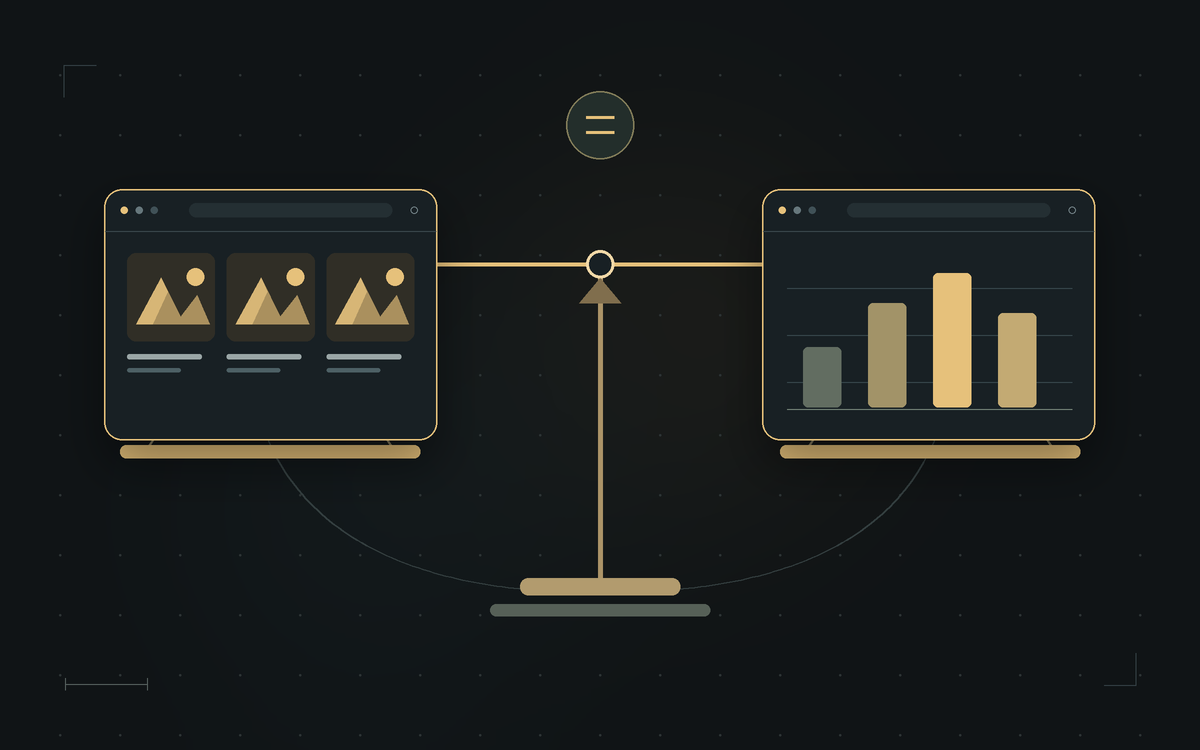
With these six answers you can make a short table for two or three candidates. For each, also write down the cost of the changes you consider essential. One website may look more expensive but have all the pages you need and be easier to run. Another may have an attractive starting price but need considerably more content and customisation.
How to assess claims about traffic and results
If a listing mentions Google results, ask for data with dates and an explanation of what it measures. The Search Console performance report shows clicks, impressions, click-through rate and average position in Google search. That is not the same data as total website traffic or the number of sales. Compare what the seller states with the matching report.
Source: Google Search Console: performance report (new tab)
Ask to see a longer period, because a few good days can give an incomplete picture. Ask whether the traffic depends on ads, social media posts or one popular article. If the website comes with a business, clarify the workload and operating costs. Treat the data in the offer as the start of your checks, and any projection of future growth as an assumption that needs explaining.
Check who can hand over the domain and the website
The website, the domain and the accounts can each be managed by different people. So the fact that a website is online does not in itself prove that the person you are talking to can hand over every part of the offer. Ask the owner to explain where the domain is registered, who manages the hosting and who prepares the handover. For Serbian domains, the RNIDS WHOIS search helps you find the responsible accredited registrar; it is not a substitute for checking the agreed scope of the sale.
Source: RNIDS: questions about domains and accredited registrars (new tab)
What to write in your first enquiry
A good first enquiry includes the link to the listing, your line of business, your desired timeline and a few must-have features. You could write: “I am interested in this website to present our services. We need new texts, photos, a contact form and the option to add pages later. Please send me an overview of what the price includes, the cost of these changes and how maintenance works.” A message like that opens a concrete conversation straight away.
Frequently asked questions when looking for a website
Is it better to buy from a marketplace or directly from the owner?
It depends on the specific offer and the roles of those involved. Compare the available data, the option to review, the support and how the handover works. What matters is that you know who is selling the website and what you are taking on.
Can I buy a website from another line of business and change it?
It is possible if the structure and features fit, with an agreement on content and changes. Before deciding, work out the scope of customisation. Traffic from the previous topic may not be useful for the new business.